.png?2.0.9 "SENIOR MGNDW")
 (3).png "Trending") 5 hours ago
5 hours ago
US and Iranian officials met for a third round of indirect talks in Geneva on Thursday to resolve their longstanding nuclear dispute amid Donald Trump's mounting threats of a military strike against Tehran.
The two nations renewed negotiations this month in a last-ditch effort to find a diplomatic solution to the decades-long stand-off over Tehran's nuclear program, as the Trump administration imposed sweeping new sanctions and continued to build up its military presence in the Middle East.
Iran’s foreign ministry said it was entering a third round of talks with “seriousness and flexibility”, stressing negotiations would only focus on nuclear topics and sanctions removal. Washington has pushed to expand talks to cover Iran’s missile stockpiles, support for armed groups and “the treatment of their own people”.
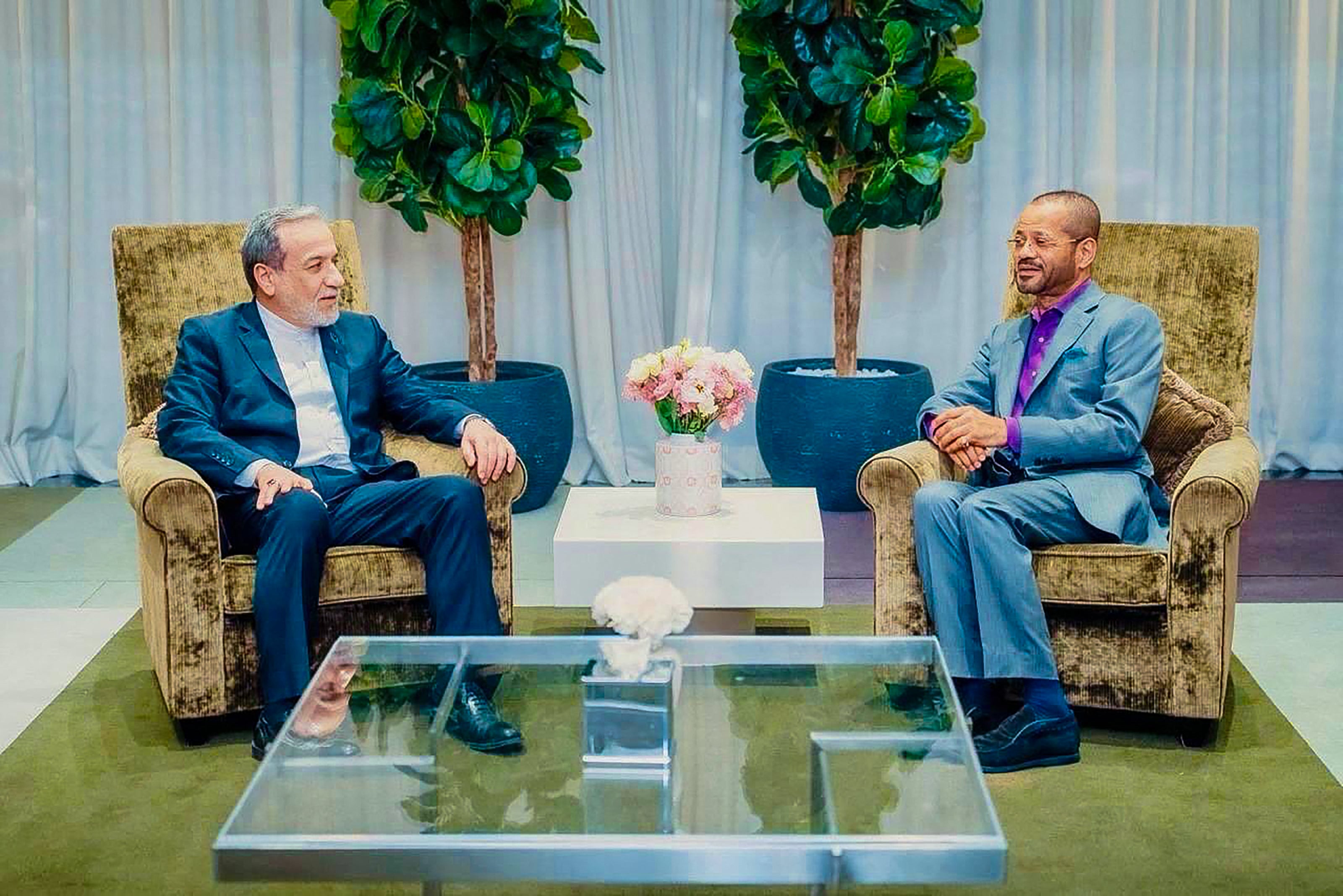
US special envoy Steve Witkoff and Trump's son-in-law, Jared Kushner, joined indirect talks with Iran's foreign minister, Abbas Araghchi, in Switzerland. The talks follow discussions in Geneva last week and will be mediated by Oman's foreign minister, Badr al-Busaidi.
"A deal is within reach, but only if diplomacy is given priority," Araqchi said in a statement on social media, ahead of talks, while reiterating that Iran would not give up its right to peaceful nuclear technology, which Washington views as a potential pathway to nuclear weapons.
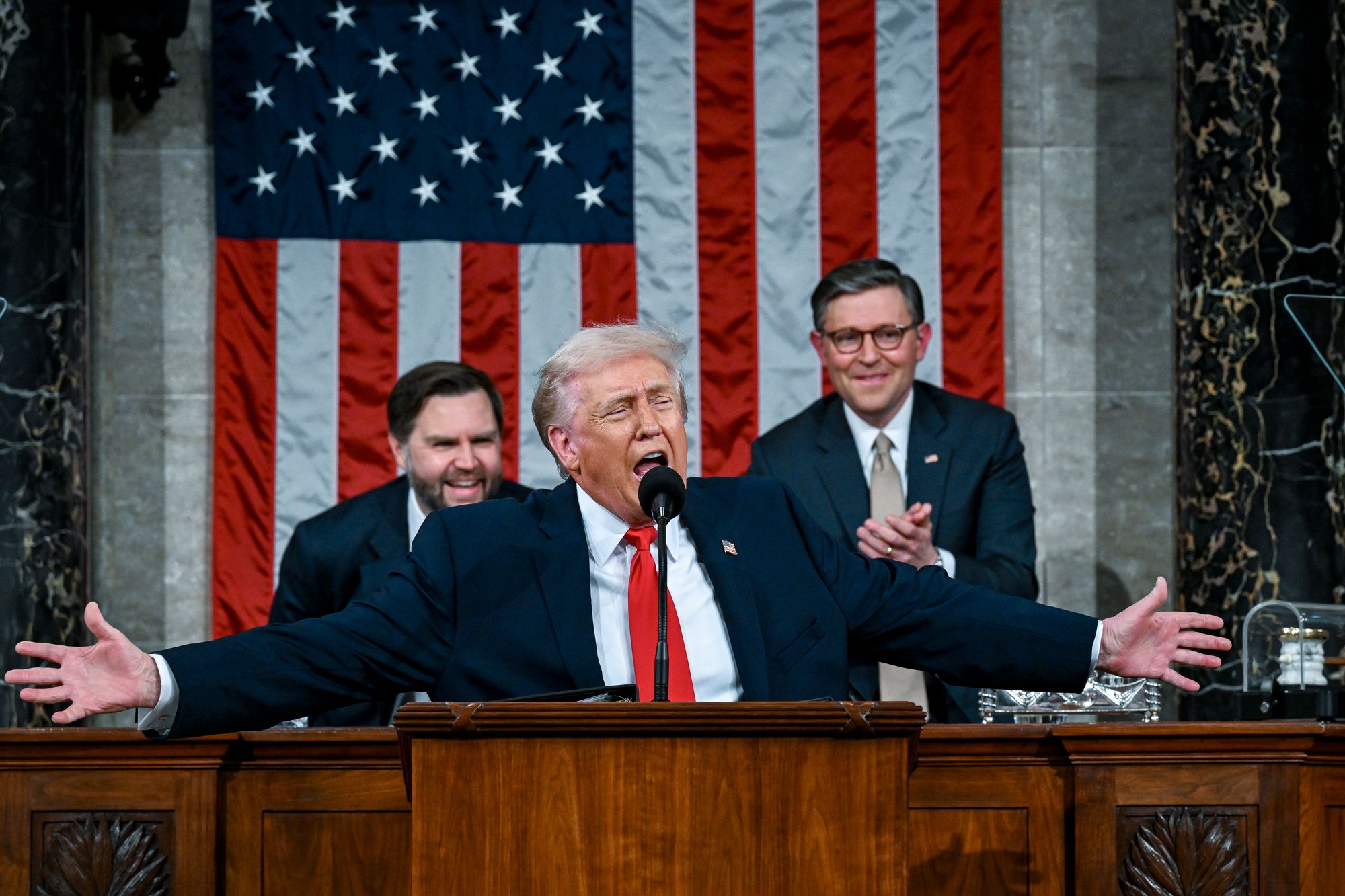
US vice president JD Vance on Wednesday accused Iran of attempting to rebuild its nuclear program after US attacks on Iranian nuclear sites last June. “Iran can't have a nuclear weapon. That would be the ultimate military objective,” Vance told Fox News.
“In fact, we’ve seen evidence that they have tried to do exactly that … As the president has said repeatedly, he wants to address that problem diplomatically, but of course the president has other options as well.”
Trump also raised the stakes as he claimed Iran was building missiles that would soon be able to reach the US during a rambling State of the Union address this week.
After talks in Geneva earlier this month ended without clear resolution, Trump said he would prefer to resolve the crisis by diplomatic means - but would not allow Tehran to have a nuclear weapon.
The president first threatened to bomb Iran last month as the government increased its crackdown on anti-government protests, and has since raced two aircraft carriers and dozens of jets to the region in a huge show of force.
Trump warned on Monday that it would be a “very bad day” for Iran if no deal was reached to solve a longstanding dispute. Iran has threatened to strike American bases in the region if it is attacked.
An Iranian Foreign Ministry spokesperson responded to the allegations by accusing the US of repeating “big lies” regarding its nuclear program, ballistic missiles and the number of protesters killed in the crackdown.
US secretary of state, Marco Rubio, speaking in Saint Kitts and Nevis, said the Geneva talks would centre largely on Iran’s nuclear program. He reiterated Washington’s concerns over Tehran’s ballistic missile activities, warning that Iran was seeking to develop them into intercontinental-range weapons.
“Beyond just the nuclear program, they possess these conventional weapons that are solely designed to attack America and attack Americans if they so choose to do so...They already possess weapons that can reach much of Europe already now, as we speak,” Mr Rubio said.
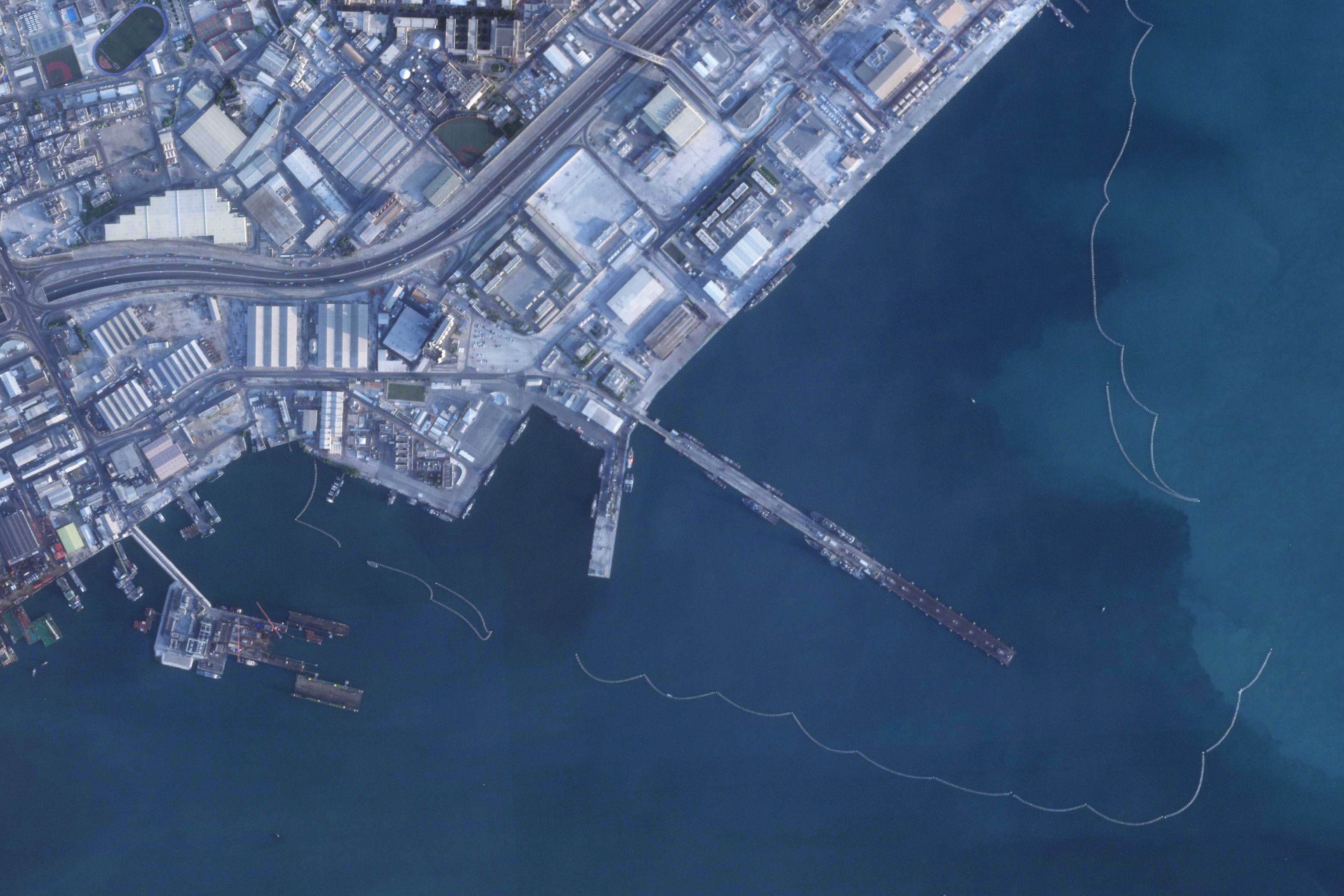
The Trump administration has been assembling a massive military force in the Middle East, prompting fears of a wider regional conflict. In June last year, the US joined Israel in hitting Iranian nuclear sites, in a strike which Trump claimed had “obliterated” the country's nuclear facilities.
Mr Trump said on 19 February that Iran must make a deal in 10-15 days, warning that “really bad things” would otherwise happen.
The US Treasury Department has unveiled sweeping sanctions targeting more than 30 individuals, entities and vessels accused of bankrolling Iran’s oil exports, ballistic missile program and weapons manufacturing network.
Tehran was reportedly offering fresh concessions in exchange for sanctions relief and recognition of its right to enrich uranium, as it seeks to avert a US attack.
However, the two sides remain deeply divided, including over the scope and sequencing of relief from crippling US sanctions, a senior Iranian official told Reuters.
Inside Iran, supreme Leader Ali Khamenei faces what is seen as the gravest crisis of his 36-year rule, with the economy buckling under tightened sanctions and renewed protests following major unrest and a bloody crackdown in January.
The head of the International Atomic Energy Agency, Rafael Grossi, is also expected to be in Geneva during the talks for discussions with both sides, as he did last week.

 English (US) ·
  Indonesian (ID) ·