.png?2.0.9 "SENIOR MGNDW")
 (3).png "Trending") 3 hours ago
3 hours ago
More than 100,000 people claimed asylum in the UK last year, slightly down on the year before but still significantly higher than pre-pandemic levels, official figures show.
Government figures published on Thursday revealed that 100,625 people applied for asylum in 2025, down 4 per cent on 2024. This is more than double the number arriving in the pre-pandemic year 2019, when 45,537 people claimed sanctuary.
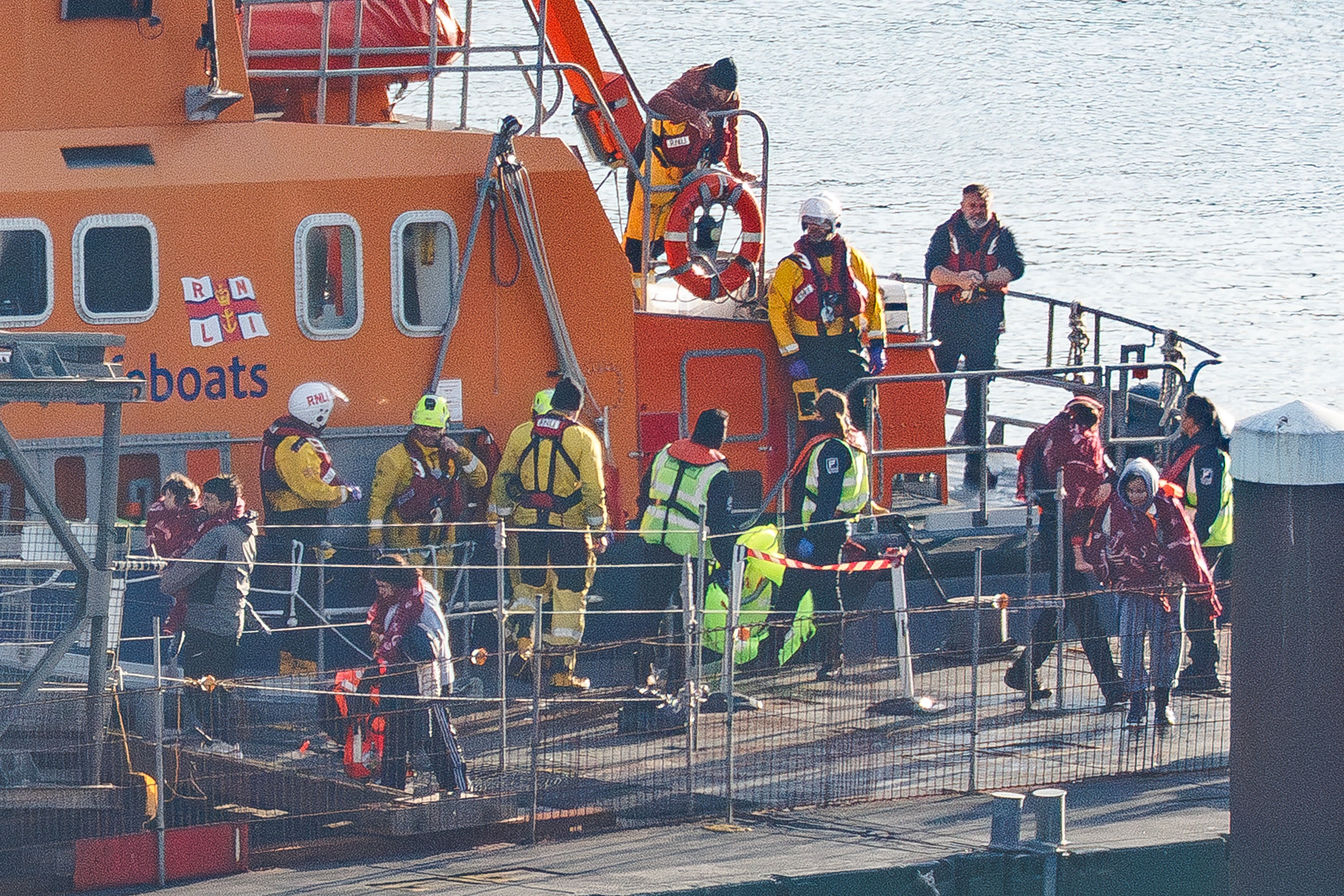
The number of people arriving to the UK on small boats rose by 13 per cent year-on-year to 45,774 - but this was still lower than the 2022 peak.
Small boat migrants accounted for 41 per cent of the total number of people claiming asylum last year, with Eritreans the most common nationality arriving in the UK after making the perilous journey across the Channel.
Home Office data revealed that migrants are now making the crossing in larger dinghies with an average of 71 people in each boat in the winter months last year.
Work visas for foreign nationals coming to the UK continued to fall, with 19 per cent fewer issued than the previous year. This was largely driven by a fall in health and care visas following the introduction of tougher visa requirements. The number of visas issued to foreign students was also down 3 per cent on the previous year, with 407,000 granted in 2025.
The number of grants of permissions to stay in the UK on work routes was on the rise however as those who arrived in the peak of 2022 and 2023 sought to extend their time in Britain.
Dr Madeleine Sumption, director of the Migration Observatory, said: “The overall picture is that the number of people receiving visas has fallen slightly, but asylum applications remain unusually high by historical standards.”
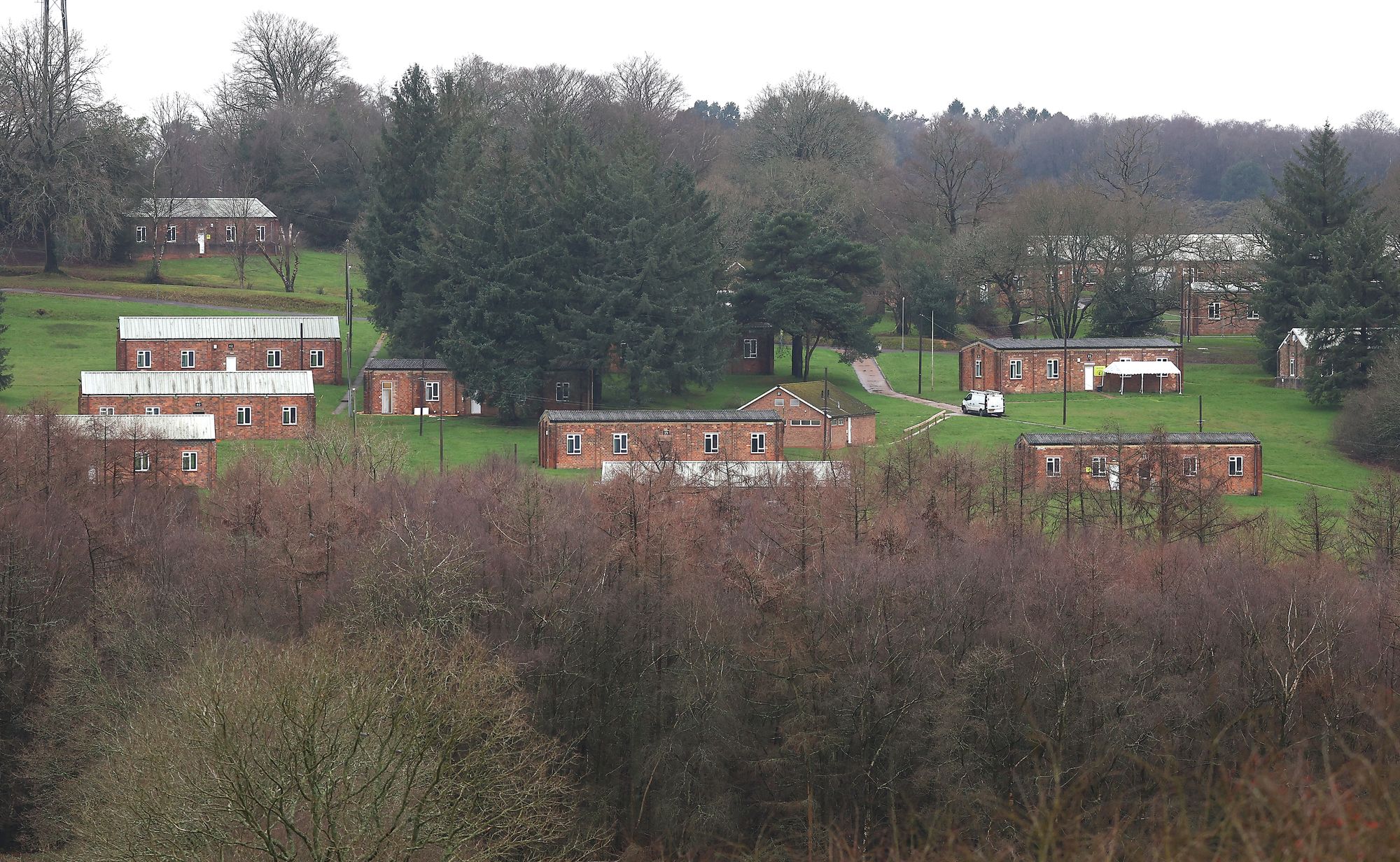
Data also showed that the number of migrants housed in hotels was down 19 per cent year-on-year to 30,657, but the numbers who were in contingency or dispersal accommodation - such as shared flats - was slightly up on 2024. 72,769 people were being housed in Home Office accommodation other than hotels as of the 31 December 2025, up 2 per cent on 2024.
A Home Office spokesperson said that the statistics “show real progress as we restore order and control to our borders”. They added: “We have removed nearly 60,000 illegal migrants, numbers in asylum hotels are down, law enforcement action against people smugglers is at record levels and we are bearing down on the asylum backlog.
“But we must go further. The number of people crossing the Channel is too high, and too many hotels remain in use.”
The backlog of people waiting for an initial decision on an asylum application in the UK has also dropped sharply to its lowest level in more than five years. Some 64,426 people were waiting for an initial decision on their claim at the end of December 2025 - down 20 per cent from 80,841 at the end of September 2025.
The asylum backlog peaked at 175,457 at the end of June 2023. However Imran Hussain, director of external affairs at the Refugee Council, explained that this still represented tens of thousands of people waiting in limbo.
He said: “These numbers show what we see in our frontline services every day - people stuck in hotels for months, even years, unable to legally work or rebuild their lives. Although the backlog of initial asylum applications has been brought down, poor-quality decisions mean that many people are still waiting in hotels as they go through the appeals process.”
He called on the government to give temporary permission to stay to people from countries with high refugee grant rates, suggesting the move could clear all migrant hotels this year.
The Migration Observatory at the University of Oxford said that, while there had been a boost in the speed at which asylum claims were processed, this had not a big impact on the total number of people receiving asylum support.
Ministry of Justice data indicated that the total number of people awaiting for an appeal against an asylum decision doubled to just below 70,000 in the year ending September 2025.
Dr Peter Walsh, at the Migration Observatory, said that Labour was “struggling to reduce the number of people in the asylum system, because asylum applications remain unusually high and because of the appeals backlog”.
There are also 4,004 Afghans - over half of whom are children - who are being housed in transitional accommodation - such as military housing - at the end of December 2025, data showed. These families will have come to the UK on the legal resettlement schemes for those who supported Britain.


 English (US) ·
  Indonesian (ID) ·